What Is VPS Hosting?
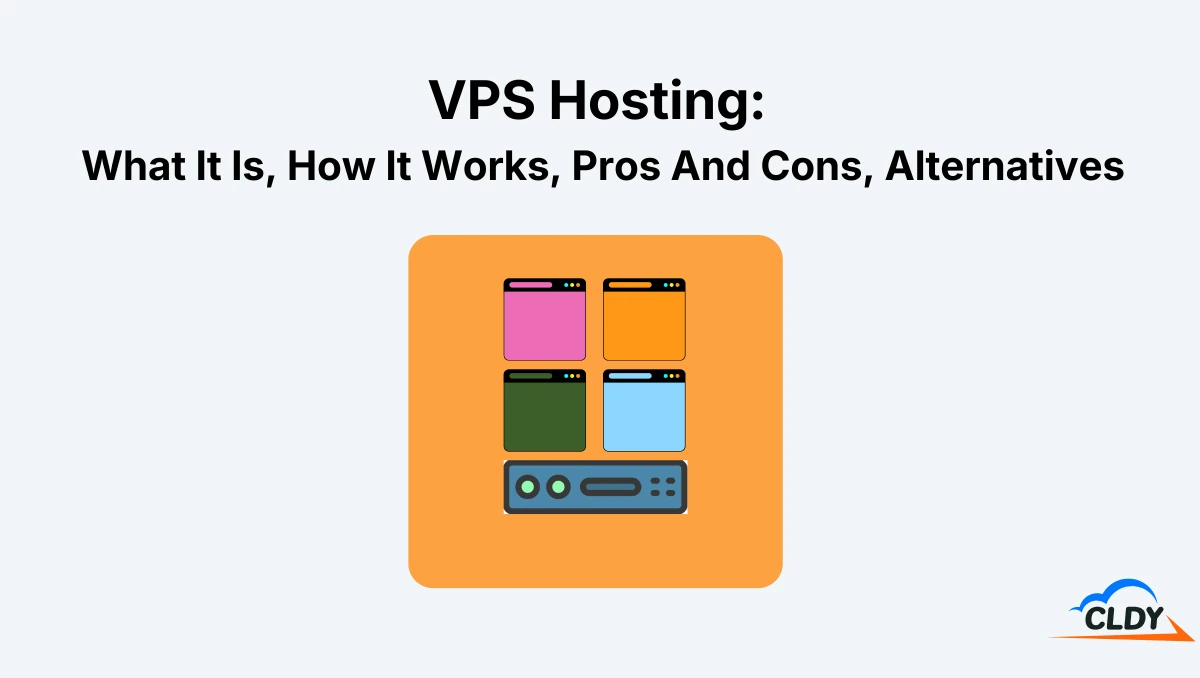
VPS (Virtual Private Server) hosting is a type of web hosting service that uses virtualization to divide one physical server into multiple private virtual servers with dedicated resources, isolated environments, and server control.
Websites use VPS hosting when they need stronger performance, more stable resources, and more control over the hosting environment. It is commonly used by growing business websites, online stores, and agencies that host client websites. Practical uses include installing custom server software, running resource-heavy websites, setting up staging environments, hosting databases, and managing websites that need more CPU, RAM, or storage.
VPS hosting is different from shared hosting because shared hosting places many websites in one shared server environment with limited account-level control. VPS hosting gives each user a separate virtual server with its own allocated resources, operating system settings, and management options. This makes VPS hosting more flexible and reliable than shared hosting, but it usually costs more and requires more technical management, especially on unmanaged VPS plans.
How Does VPS Hosting Work?
VPS hosting works by using virtualization. Virtualization is the process of creating software-based servers from one physical machine. It is controlled by a hypervisor, which is software that separates server resources and assigns them to each VPS.
A VM (virtual machine) is a core component of a VPS that acts as the private server environment where the website, operating system, files, databases, and server software run. Each VPS has its own allocated CPU, RAM, storage, and operating system settings so it behaves like a separate server even though it still shares the same physical hardware with other VPSs.
VPS hosting comes in managed and unmanaged forms. Managed VPS allows the hosting provider to handle server setup, software updates, monitoring, security patches, and maintenance for the convenience of inexperienced users. Unmanaged VPS allows experienced users to have direct control over software installation, server security, performance tuning, and troubleshooting.
VPS hosting works through the 7 main features listed below.
- Virtualization: Virtualization divides one physical server into multiple private virtual servers. This allows each VPS to run its own operating system and server software without needing a separate physical machine.
- Resource Allocation: Resource allocation assigns a fixed or defined amount of CPU, RAM, storage, and bandwidth to each VPS. This gives the website more stable resources in VPS hosting.
- Isolation By Design: Isolation by design keeps each VPS separate from other VPS accounts on the same physical server. This helps prevent another user’s traffic spikes, software issues, or security problems from directly affecting your VPS environment.
- Root Access: Root access gives the user administrator-level control over the server. This allows advanced users to install custom software, change server settings, manage security tools, and configure the VPS for specific website or application needs.
- Dedicated IP: A dedicated IP is an internet address assigned to one VPS account. This helps with direct server access, email configuration, SSL setup, and applications that need a fixed server address.
- High Performance: High performance comes from dedicated resource allocation and server isolation. A VPS handles more traffic, heavier databases, custom applications, and resource-heavy websites better than basic hosting types.
- Scalability: Scalability allows VPS users to increase resources such as CPU, RAM, and storage as their website grows. This makes VPS hosting useful for websites that need more capacity without moving immediately to a dedicated server.
What Are The Benefits Of VPS Hosting?
The 5 main benefits of VPS hosting are listed below.
- Reliable Performance: Reliable performance means the website gets a more stable share of server resources. VPS hosting helps websites load faster and run more consistently because CPU, RAM, and storage are allocated to each virtual server instead of being fully shared with every account on the server.
- Cost-Effective Hosting: Cost-effective hosting means getting more server power without paying for an entire physical server. VPS hosting costs more than shared hosting, but it is usually more affordable than dedicated hosting because users rent one virtual portion of a larger server.
- Greater Control: Greater control means users have more access to server settings, software, and configuration options. VPS hosting allows website owners, developers, and businesses to install custom features, adjust server settings, and manage hosting environments based on their website needs.
- Access To Dedicated Server Resources: Access to dedicated server resources means each VPS receives assigned CPU, RAM, storage, and bandwidth. This helps websites in VPS hosting handle more traffic, heavier databases, online store activity, and custom web applications with fewer resource conflicts.
- Scalability: Scalability means the hosting plan grows with the website. VPS hosting allows users to upgrade CPU, RAM, storage, or bandwidth when traffic increases, which helps growing websites add capacity without moving immediately to a dedicated server.
CLDY is a Singaporean web host that offers VPS hosting plans for users seeking the benefits of dedicated server resources, stronger performance, and greater control. CLDY’s VPS hosting plans suit growing websites, e-commerce stores, and business platforms that need a more powerful hosting environment than other hosting types provide.
What Are The Limitations Of VPS Hosting?
The 4 main limitations of VPS hosting are listed below.
- Cost-To-Performance Ratio: Cost-to-performance ratio means the value users get from the hosting plan compared to its price. VPS hosting costs more than shared hosting, so it is not always the best choice for small websites that do not need dedicated CPU, RAM, storage, or server-level control.
- Hardware Dependency: Hardware dependency means the VPS still depends on the physical server that hosts it. VPS hosting gives each user a virtual private server, but performance and uptime still depend on the quality, capacity, and reliability of the main physical machine.
- Overselling Risks: Overselling risks occur when a hosting provider assigns more CPU, RAM, or disk resources to virtual servers than the physical server fully supports. This reduces VPS hosting performance if too many virtual servers compete for the same real hardware resources at the same time.
- Technical Administration: Technical administration means the server needs proper setup, updates, security management, monitoring, and troubleshooting. VPS hosting gives users more control than shared hosting, but unmanaged VPS plans require more technical knowledge to keep the server secure, stable, and properly configured.
Should I Use A Managed Or Unmanaged VPS?
You should use a managed VPS and an unmanaged VPS based on your technical skills. Technical skills refer to your ability to set up a server, install software, apply security patches, monitor performance, fix errors, manage backups, and troubleshoot server problems without relying fully on the hosting provider.
Use a managed VPS if you want the benefits of VPS hosting without handling most server administration tasks yourself. Managed VPS is better for users with websites that need stronger hosting performance but do not have the time or technical knowledge to manage server setup, updates, security, and maintenance.
Use an unmanaged VPS if you have the technical skills to control and maintain the server yourself. Unmanaged VPS is better for advanced users who want full control over software installation, server configuration, security rules, and performance tuning.
What Are The VPS Hosting Alternatives?
VPS hosting alternatives refer to web hosting services that serve different website needs based on cost, maintenance, traffic handling, server control, scalability, and platform support. The 2 main VPS hosting alternatives are shared hosting and cloud hosting. Shared hosting is an alternative to VPS hosting for users who want lower cost and less maintenance. Cloud hosting is an alternative for websites that need stronger traffic spike handling through a network of connected servers.
VPS Hosting Vs Shared Hosting
The key difference between VPS hosting and shared hosting is their cost and maintenance. Cost and maintenance refers to how much the hosting type costs and how much server setup, updating, security, and troubleshooting the user must handle. VPS hosting costs more than shared hosting and requires more maintenance because it gives users dedicated virtual resources, more server control, and more responsibility over the hosting environment. Shared hosting costs less and requires less maintenance because the hosting provider manages the server while many websites share the same server resources. Use VPS hosting if your website needs better performance, stronger resource stability, and more control. Use shared hosting if you want the lowest-cost hosting option for a small website, basic business website, or low-traffic project that does not need server-level control.
VPS Hosting Vs Cloud Hosting
The key difference between VPS hosting and cloud hosting is traffic handling. Traffic handling refers to how a hosting environment manages website visits, user requests, bandwidth demand, and resource usage during normal traffic and traffic spikes. VPS hosting works best for steady, predictable traffic because it runs on allocated resources inside one physical server. Cloud hosting works best for sudden traffic spikes because it draws resources from a network of connected servers instead of relying on one machine. Use VPS hosting if your website has consistent traffic patterns and needs stable dedicated resources at a predictable cost. Use cloud hosting if your website gets changing traffic from campaigns, seasonal demand, or fast business growth. Some cloud hosting may include a VPC (Virtual Private Cloud) if you need an isolated network for organizing and controlling cloud resources.
VPS Vs VPC
The key difference between VPS and VPC is their purpose. VPS is used as a private virtual server for hosting websites, databases, files, and server software. VPC is used as a private cloud network that lets users organize and control cloud resources such as virtual servers, databases, firewalls, IP addresses, and subnets.
VPS Hosting Vs Dedicated Hosting
The key difference between VPS hosting and dedicated hosting is their scalability. Scalability refers to how easily a hosting service increases CPU, RAM, storage, bandwidth, or server capacity as website demand grows. VPS hosting is more scalable because users upgrade virtual resources through the hosting dashboard without changing the physical server. Dedicated hosting is less flexible to scale because upgrades often require hardware changes, server migration, or migration to more powerful hardware. Use VPS hosting if your website needs room to grow without the cost and operational work of managing a full physical server. Use dedicated hosting if your website needs exclusive hardware, predictable high-capacity performance, and long-term server resources that do not change often. Consider VDS if you need a virtual dedicated server.
VPS Vs VDS
The key difference between VPS and VDS (Virtual Dedicated Server) is their resource allocation and isolation. Resource allocation and isolation refers to how CPU, RAM, storage, and server access are assigned and separated between users on the same physical server. VPS uses virtualization to create a private server environment, but its allocated resources still come from shared physical hardware. VDS provides a virtual dedicated server environment with exclusive hardware resources reserved for one user.
VPS Hosting Vs WordPress Hosting
The key difference between VPS hosting and WordPress hosting is their specialization. Specialization refers to how closely a hosting service is built for a specific platform, software type, or website use case. VPS hosting is less platform-specific because it gives users a private virtual server that runs different operating systems, applications, databases, and website platforms. WordPress hosting is built for WordPress websites and includes WordPress-focused tools such as 1-click installation, automatic updates, caching, staging, and security settings for WordPress. Use VPS hosting if you need server control for different website platforms, custom applications, or advanced hosting configurations. Use WordPress hosting if your website runs on WordPress and you want a hosting setup designed around WordPress performance, updates, and daily management.
VPS FAQs
Frequently asked questions (FAQs) about VPS include how VPS differs from VM, web hosting, and VPN. A VPS and a VM differ in usage because a VPS is used as a hosting service, while a VM is a broader software-based computer environment. A VPS and web hosting differ in scope because a VPS is one specific type of web hosting, while web hosting is the larger category of services that stores website files and makes them accessible online. A VPS and a VPN are different technologies because VPS hosts websites, files, databases, and server software, while VPN protects internet privacy by encrypting a connection and hiding the user’s IP address.
What Is The Difference Between A VPS And A VM?
The difference between a VPS and a VM (Virtual Machine) is their usage. Usage refers to how a technology is applied, whether as a hosting service, a development environment, a testing system, or a general computing environment. VPS is used as a web hosting service that gives users a private server environment for hosting websites, files, and server software. VM is used as a broader software-based computer environment that runs an operating system and applications for many purposes including hosting, testing, and training. All VPS environments are based on virtual machines or containers, but not all VMs are sold or managed as VPS hosting services.
What Is The Difference Between A VPS And Web Hosting?
The difference between a VPS and web hosting is their scope. Scope refers to how broad or specific a hosting term is and what types of services it includes. VPS is a specific type of web hosting service that gives users a private virtual server with allocated CPU, RAM, storage, and more server control. Web hosting is the broader category of hosting services that stores website files on a server and makes them accessible online.
Is A VPS The Same As A VPN?
A VPS is not the same as a VPN (Virtual Private Network). VPS is a private virtual server that runs on a physical server and hosts websites, files, databases, or server software. VPN is a security service that encrypts an internet connection and hides the user’s IP address while browsing the web.