What Is Shared Hosting?
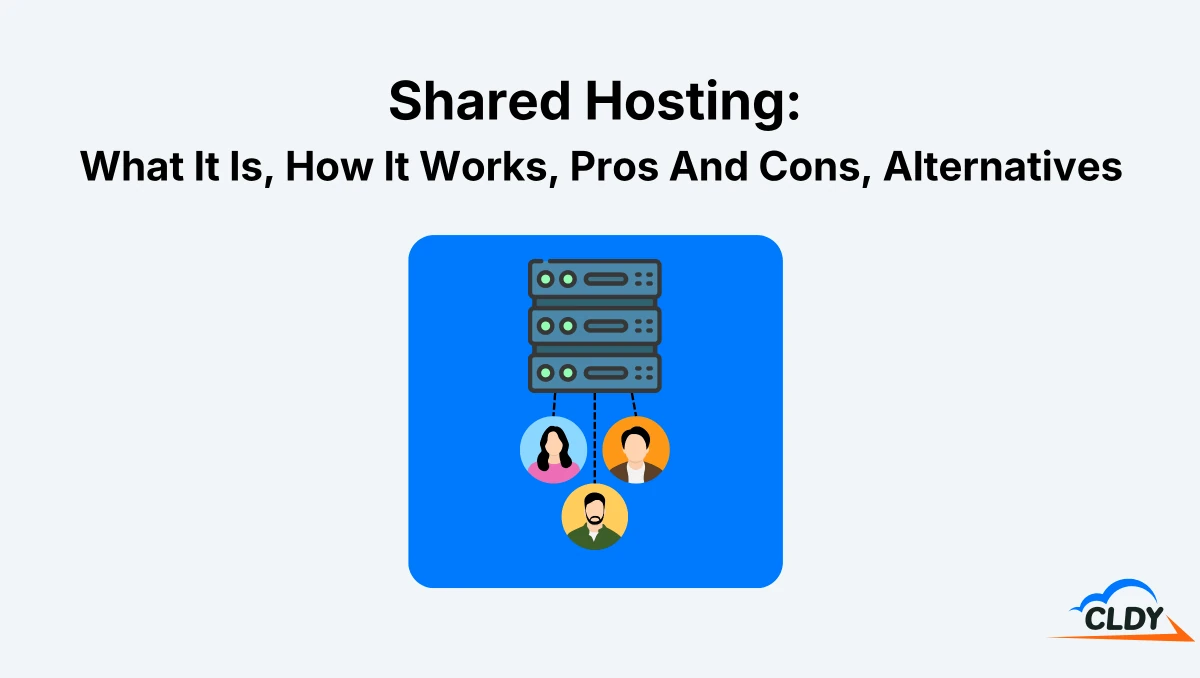
Shared Hosting is a type of web hosting service that stores multiple websites on the same server and lets those websites share the server’s resources, such as CPU, RAM, storage, and bandwidth.
Shared hosting is used for websites as an affordable and simple way to publish a website without managing server hardware or advanced server settings. Small businesses, startups, and local service providers use shared hosting for business websites, WordPress blogs, landing pages, small online stores, and informational websites with moderate traffic.
Shared hosting is different from VPS hosting because shared hosting gives many users access to the same server environment, while VPS hosting separates one physical server into private virtual servers with more dedicated resources and control. Shared hosting costs less and requires less technical management, but it offers lower performance flexibility and less scalability than hosting types built for higher traffic, custom server settings, or resource-heavy websites.
How Does Shared Hosting Work?
Shared hosting works through the 4 core mechanics listed below.
- Resource Sharing: Resource sharing means multiple websites use the same server resources, including CPU, RAM, storage, and bandwidth. In shared hosting, this keeps costs low because the hosting provider spreads one server’s capacity across many users instead of assigning one full server to one customer.
- Control Panel: A control panel is a web-based dashboard used to manage hosting tasks without using server commands. In shared hosting, the control panel lets users install WordPress, create email accounts, manage domains, upload files, set up databases, and adjust basic website settings from one beginner-friendly interface.
- Fair-Usage Limits: Fair-usage limits are rules that prevent one website from using too much of the shared server’s capacity. In shared hosting, these limits help keep the server stable for all websites on the same machine by controlling usage spikes related to traffic, scripts, email sending, storage, or database activity.
- Server Maintenance: Server maintenance means the hosting provider handles server updates, security patches, hardware monitoring, software configuration, and uptime management. In shared hosting, this reduces the technical workload for website owners because the provider manages the server while the user focuses on building and running the website.
What Are The Benefits Of Shared Hosting?
The 5 main benefits of shared hosting are explained below.
- Affordability: Affordability means shared hosting costs less than hosting types that assign private or larger server resources to one user. In shared hosting, the provider spreads server costs across many customers, which makes it a practical option for small businesses, portfolios, and new websites.
- Zero-Server Maintenance: Zero-server maintenance means the website owner does not need to manage the physical server, operating system, security patches, or core hosting software. In shared hosting, the hosting provider handles server maintenance so users focus on website content, design, email, domains, and basic hosting settings.
- Beginner-Friendly: Beginner-friendly means the hosting service is easy to use for people without server administration experience. In shared hosting, users manage common tasks through a control panel, such as installing WordPress, creating email accounts, connecting domains, uploading files, and managing databases.
- Scalability: Scalability means a hosting plan supports website growth by allowing users to upgrade resources or move to a higher plan. In shared hosting, scalability is useful for small websites that need more storage, bandwidth, email capacity, or website support before moving to VPS hosting, cloud hosting, or dedicated hosting.
- High Uptime: High uptime means a website stays accessible to visitors for most of the time. In shared hosting, uptime depends on the provider’s server monitoring, maintenance quality, network setup, and fair-usage controls that help keep shared server resources stable.
What Are The Limitations Of Shared Hosting?
The 4 main limitations of shared hosting are explained below.
- Limited Resources: Limited resources means CPU, RAM, storage, and bandwidth are shared with other websites on the same server. In shared hosting, traffic spikes, heavy scripts, or high database usage from one website affect the available server capacity for others.
- Security Vulnerabilities: Security vulnerabilities are weak points that attackers use to access, damage, or disrupt websites, files, databases, or server software. Website security on shared hosting depends on both the provider’s server protections and each user’s website practices because many accounts operate within the same server environment.
- Lack Of Control: Lack of control means users cannot fully manage server-level settings, operating system changes, custom software, or advanced performance configurations. The shared hosting provider controls the main server environment, while users manage only website-level tasks through a control panel.
- Limited Scalability: Limited scalability means the hosting plan has a fixed range of resources and upgrade options. In shared hosting, users move to a higher plan, but websites with growing traffic, heavier applications, or stricter performance usually need VPS hosting, cloud hosting, or dedicated hosting.
What Are The Shared Hosting Alternatives?
Shared hosting alternatives refer to web hosting services that give users more resources, control, flexibility, or performance. The 2 main shared hosting alternatives are VPS hosting and cloud hosting. VPS hosting is an alternative to shared hosting because it gives each user dedicated virtual resources, stronger control, and more room for higher traffic for an additional cost. Cloud hosting is an alternative to shared hosting because it uses flexible cloud resources for websites with changing or high traffic demands, which often requires more technical knowledge.
Shared Hosting Vs VPS Hosting
The key difference between shared hosting and VPS hosting is their costs and maintenance. Cost and maintenance refers to the price of the hosting type and the amount of technical work needed to keep the hosting environment stable, secure, and updated. Shared hosting costs less and requires less maintenance because multiple websites share one server and the hosting provider manages the main server environment. VPS hosting costs more and requires more maintenance because each user gets a virtual private server with dedicated resources, stronger control, and more server-level responsibility. Use shared hosting if your website needs a simple, low-cost hosting setup for blogs, small business websites, or new websites with low traffic. Use VPS hosting if your website needs more reliable performance, custom server settings, or room to support heavier traffic.
Shared Hosting Vs Cloud Hosting
The key difference between shared hosting and cloud hosting is the technical knowledge requirements. Technical knowledge requirements refers to the level of server, software, security, and resource configuration knowledge needed to set up, monitor, and maintain a hosting environment. Shared hosting requires little technical knowledge because it usually comes with managed server maintenance, a user-friendly control panel, and preconfigured hosting tools. Cloud hosting requires more technical knowledge because users often need to configure cloud resources, server settings, security rules, backups, scaling, and application deployment. Use shared hosting if you want to manage a website through simple hosting tools without handling server configuration or infrastructure decisions. Use Cloud hosting if you have technical support or server knowledge and need flexible resources for websites with high traffic demands.
Shared Hosting Vs Dedicated Hosting
The key difference between shared hosting and dedicated hosting is their cost. Cost refers to the price a user pays for hosting resources, server access, provider support, and any maintenance included in the plan. Shared hosting costs less because one server is divided across multiple users, so each user pays for only a portion of the server’s total capacity. Dedicated hosting costs more because one full physical server is assigned to one user, giving that user exclusive access to the server’s CPU, RAM, storage, and bandwidth. Use shared hosting if your website needs an affordable hosting plan for standard pages, light traffic, and basic online business needs. Use dedicated hosting if your website budget supports a premium server setup for high traffic, resource-heavy applications, or stricter performance requirements.
Shared Hosting Vs WordPress Hosting
The key difference between shared hosting and WordPress hosting is their specialization. Specialization refers to how closely a hosting plan is built around one website platform, software type, or general hosting need. Shared hosting supports different website platforms, content management systems, and custom websites through one general hosting environment. WordPress hosting is built specifically for WordPress websites, with features such as WordPress installation, WordPress updates, caching, security settings, and support designed around the WordPress platform. Use shared hosting if you need a low-cost hosting plan that supports different website types or platforms from one account. Use WordPress hosting if your website runs on WordPress and you want hosting tools, performance settings, and support made for WordPress management.